
Displaying items by tag: ZAPRUDER FILM
Bouzarth on Black Op Radio to Discuss Zapruder Authenticity
Craig Bouzarth, who made a very influential talk at the three Dallas conferences last year, will be on Black Op Radio this week to discuss his research into the authenticity of the Zapruder film. The discussion will air starting Thursday evening, February 12th here. (Click on the 'archived shows' tab)
A Personal Encounter with the Warren Commission
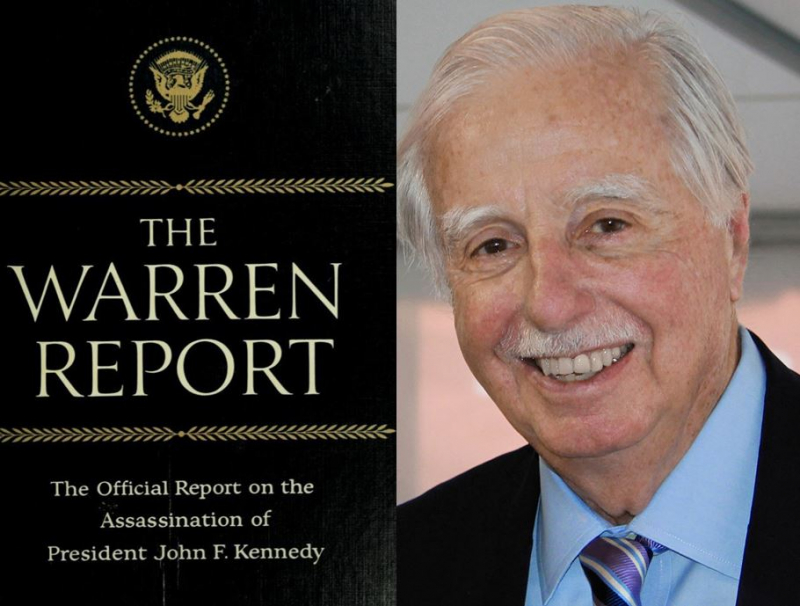
Chad Nagle recounts his personal experience working with Howard Willens who served as Assistant Counsel to the Warren Commission. In addition to Willens' work on the commission, Chad also looks into his publications on United States policy in Micronesia.
Neurology and Jiggle Analysis
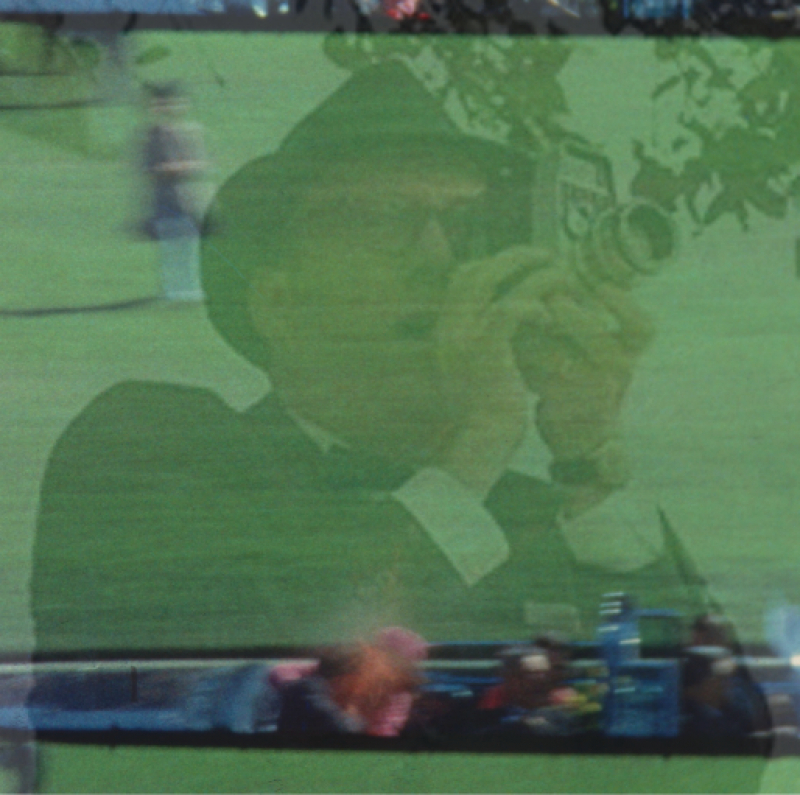
Milicent Cranor reexamines some of the historical research using neurology and jiggle analysis to assess the blurred images in the Zapruder film and discusses the complexities of the auditory startle reflex. [Note: This article, posted long ago on a defunct website, is still relevant.]
Last Second in Dallas, part 2
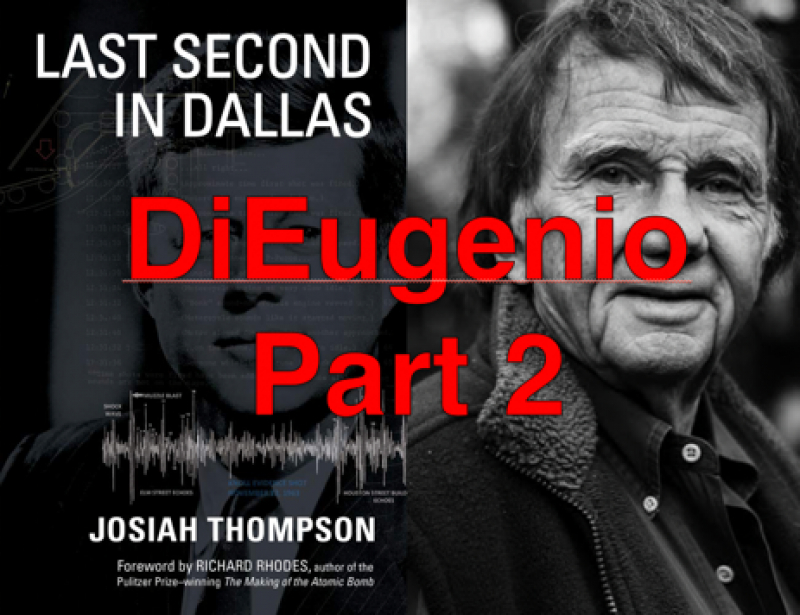
In the second and concluding part of his mixed review, Jim DiEugenio addresses the way Last Second in Dallas handles the photographic, medical and acoustics evidence, and finds the book seriously flawed in those areas.
Last Second in Dallas, part 1
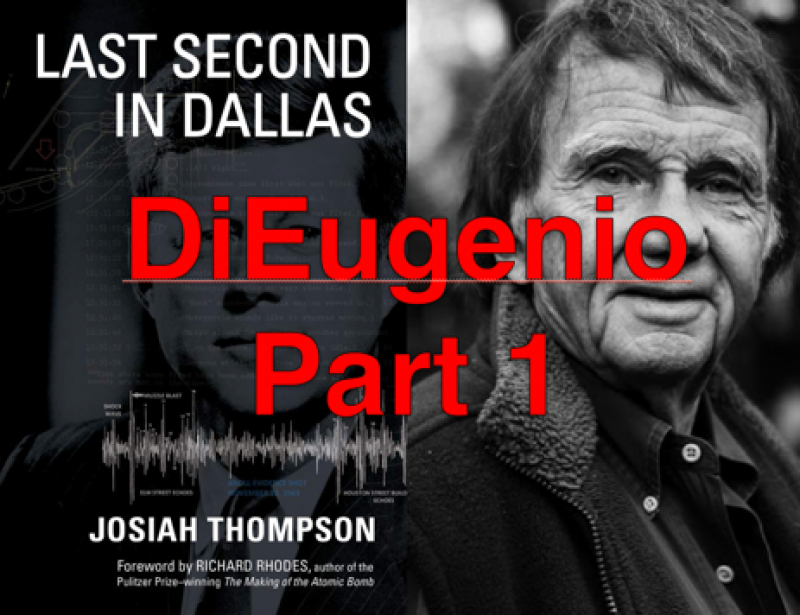
Jim DiEugenio writes part 1 of his mixed review of Josiah Thompson’s new book on the JFK case, Last Second in Dallas, by summarizing the first-person journey, recounted by Thompson, that led to his first book, Six Seconds in Dallas, and then discussing the troubling history of the media and scientific forces aligned to derail further investigations, including Jim Garrison’s.
Warren Commission Document (WCD) 298: FBI Letter from Director of 20 Jan 1964 with Visual Aides Brochure
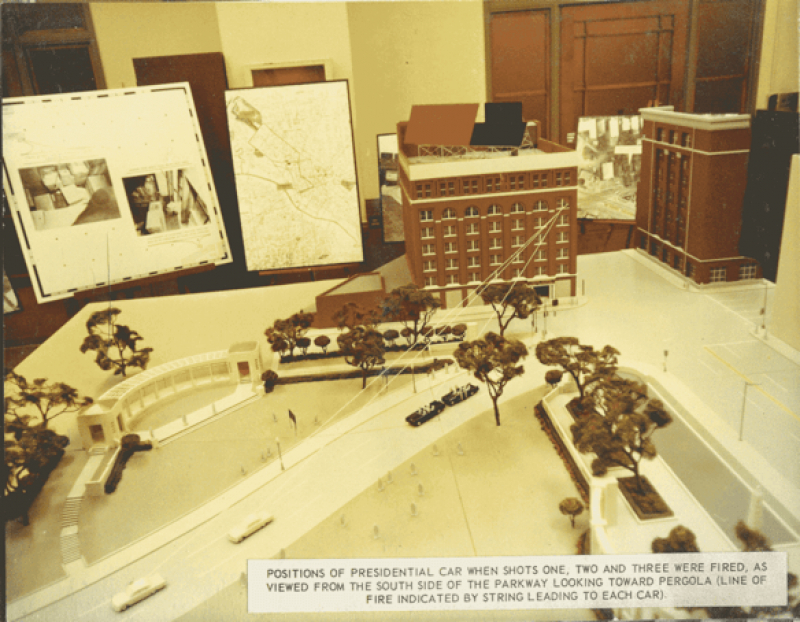
Examines the evidence itself, including details offered in the document, the multiple Robert West surveys, notes, and tabulations, and the evidence available after fact from the witnesses.
Thomas, Lattimer, and Reality: A Study in Contrasts
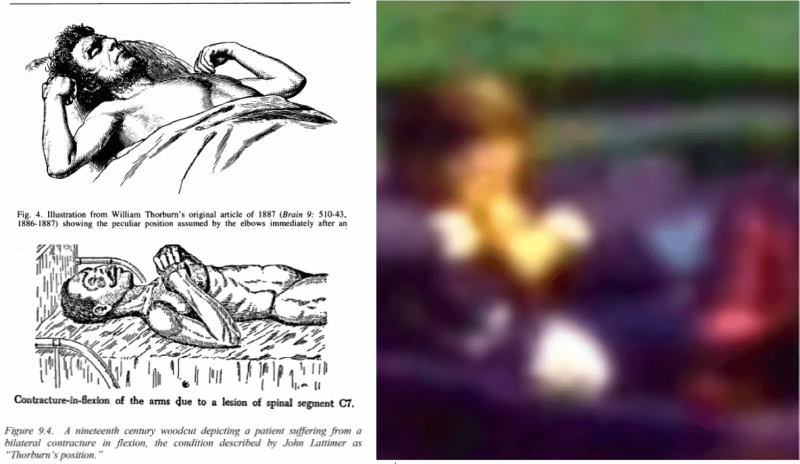
Milicent Cranor examines how Don Thomas gives John Lattimer’s Thorburn story a make-over.
Life Magazine Warren Commission Issue, October 2, 1964
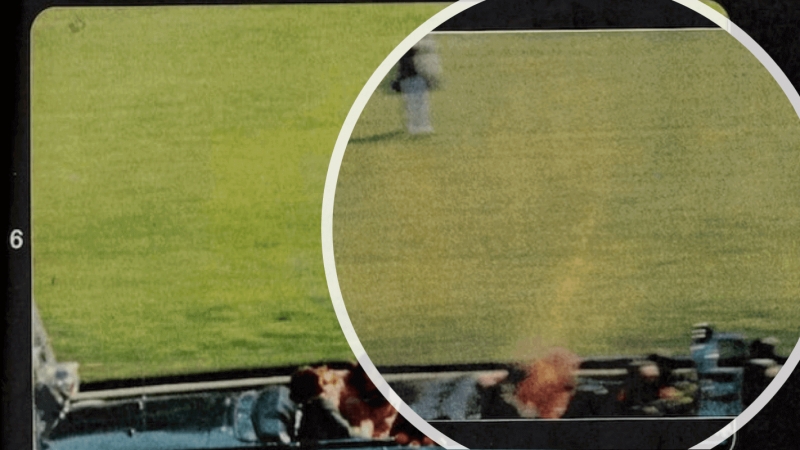
Jim Finn shows how the Warren Commission Issue of Life Magazine went through at least two redactions in which the frames and captions presenting the fatal shot were changed in order better to bolster the official conclusion. This was not the first instance of such duplicity for Life.
Bullet Trails on the Zapruder Film?
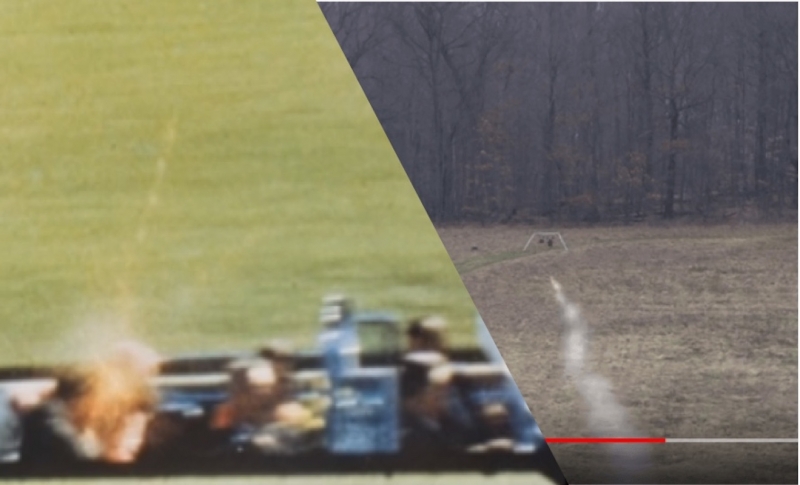
When there is enough humidity, bullets traveling over a certain velocity always create vapor trails. They last only milliseconds, and usually go unseen unless captured on film. Following is an explanation of this phenomenon, and a suggestion that it might explain the white lines seen on the Z film.
John Allen Stern, C.D. Jackson: Cold War Propagandist for Democracy and Globalism
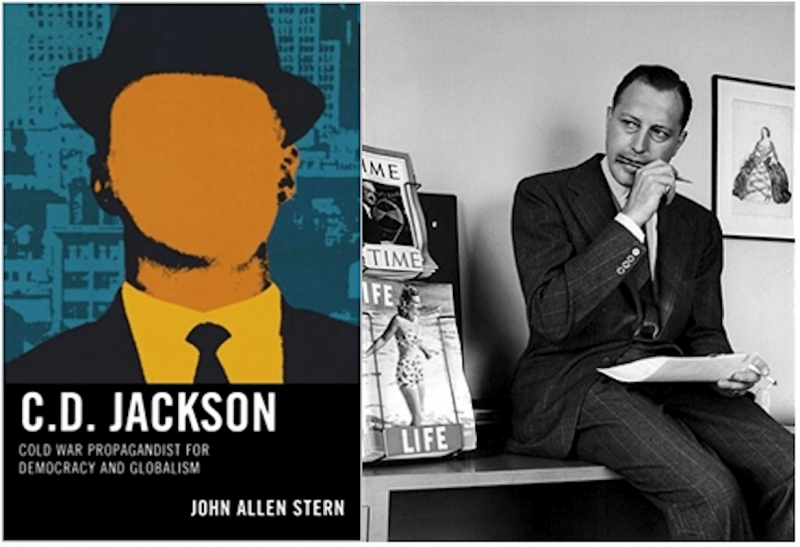
Michael Le Flem finds this brief book on one of the most important figures in the history of United States psychological warfare and propaganda, Time-Life managing director C.D. Jackson, an engaging, nuanced and timely addition to Cold War historiography.


Copyright 2016-2022 by kennedysandking.com • All Rights Reserved