
Sunday, 28 June 2026 00:25
The Death of Tippit - Part 4
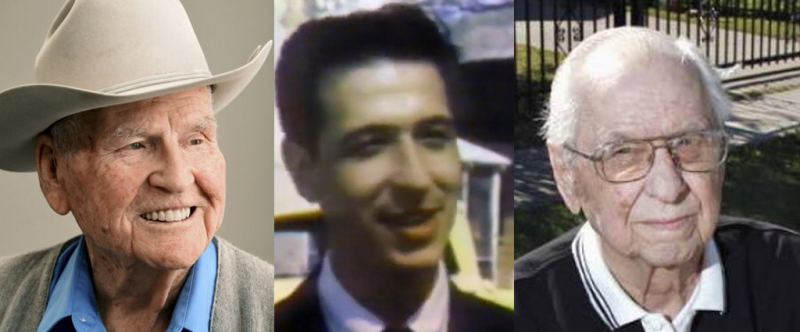
Did Domingo Benavides see something he should not have seen after the death of Tippit? Is that why his original evidence is missing? John Washburn makes that case.
Published in
John Fitzgerald Kennedy
Tuesday, 30 June 2026 11:44
The Monroe/Kennedy Fantasies Never Die
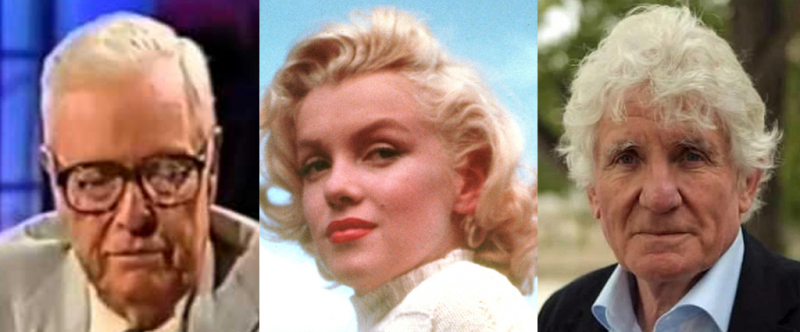
Don McGovern continues to expose the fallacies in the newest recycling of the myths about the death of Marilyn Monroe. This time it is from France, but it is just as fantasy-fulfilled as the likes of Robert Slatzer and Fred Otash—both men whom Anthony Summers trusted.
Published in
Robert Francis Kennedy
Monday, 06 July 2026 04:00
Trump’s July 4th Speeches and JFK
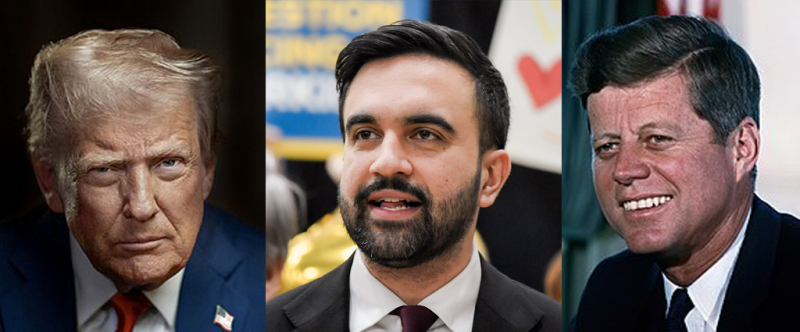
Jim DiEugenio addresses President Trump's two speeches in celebration of the 250th anniversary of America. Trump is suggesting that progressive Democrats are communists. John and Robert Kennedy would have differed.
Published in
John Fitzgerald Kennedy
Tuesday, 07 July 2026 22:13
The Luna Hearing on MK/Ultra
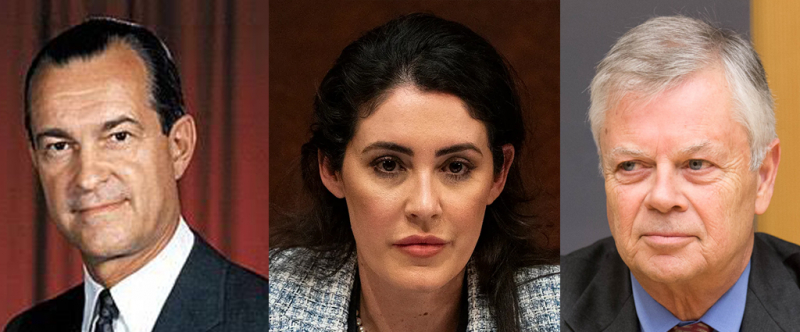
Rep. Anna Luna continues her public hearings on government secrecy. This time, the topic was the CIA's MK/Ultra program on mind control. She deserves praise, but this hearing missed a chance to explore the RFK case.
Published in
John Fitzgerald Kennedy
Thursday, 09 July 2026 16:04
The Death of Tippit - Part 5
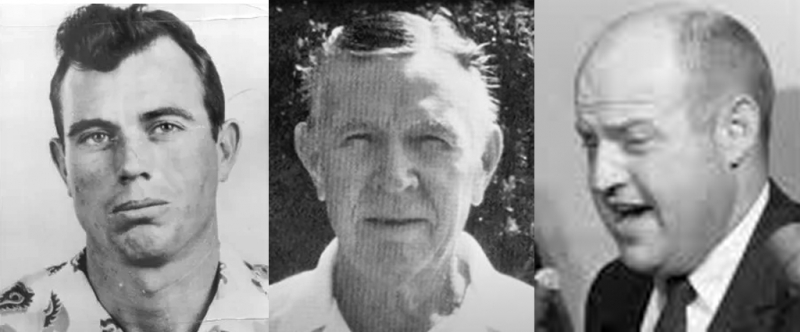
Did the Commission and the FBI attempt to obfuscate the importance of Doris Holan's observations, backed up by Domingo Benavides? Was the motive to disguise the fact that police were there too early?
Published in
John Fitzgerald Kennedy
Friday, 17 July 2026 17:51
Angleton’s Slip: Did the National Security State Assassinate Jack Dunlap? - Part 2
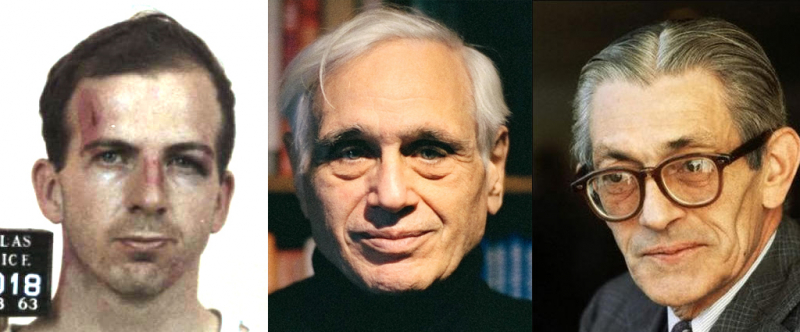
NSA spy Jack Dunlap's death was labeled a suicide. But over a decade later, under oath, James Angleton slipped up and called it an assassination. How did he know that?
Published in
John Fitzgerald Kennedy
Monday, 20 July 2026 20:54
Assassination Inc. - Part 1
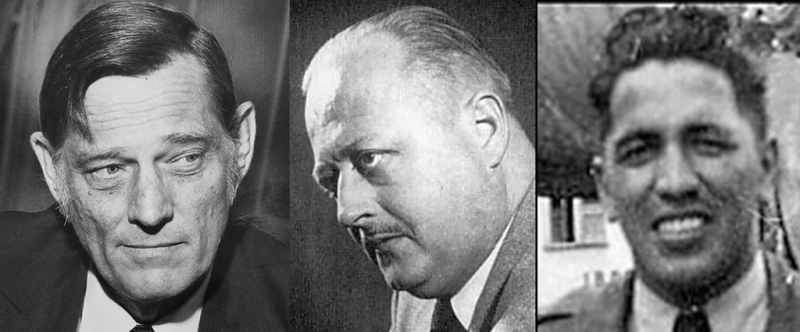
Paul Bleau outlines the names and previous work of regime change specialists who had the motive, means, and track record to plan, execute and cover up the murder of President John Kennedy.
Published in
John Fitzgerald Kennedy
Thursday, 23 July 2026 08:55
Assassination Inc. - Part 2
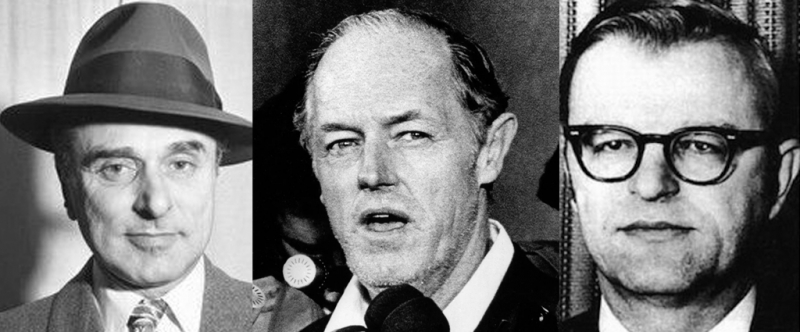
Paul Bleau outlines the names and previous work of regime change specialists who had the motive, means, and track record to plan, execute and cover up the murder of President John Kennedy. (Part 2)
Published in
John Fitzgerald Kennedy
Wednesday, 29 July 2026 02:57
Review of The Housewives Underground
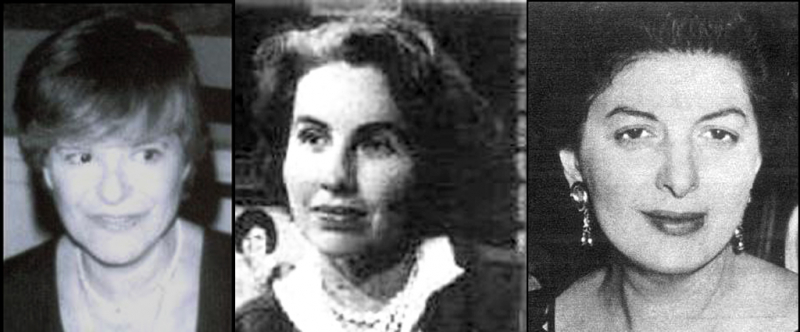
Kaitlyn Tiffany chronicles the early years of the critical community, focusing on Shirey Martin, Maggie Field and Sylvia Meagher. It is a decidedly mixed bag. And Jim DiEugenio explains why in his review.
Published in
John Fitzgerald Kennedy
Saturday, 01 August 2026 21:42
David Phillips and Those "Missing" Mexico City Tapes
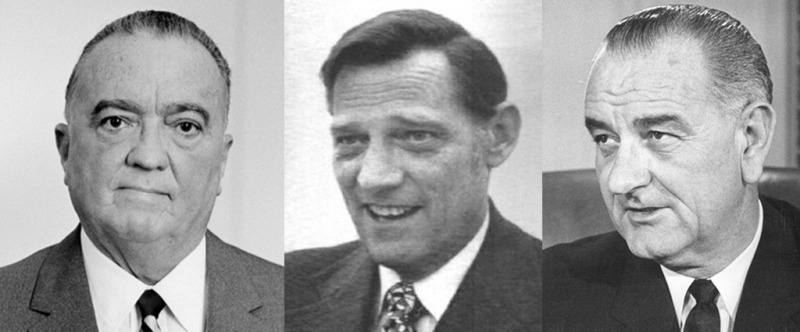
Paul Bleau examines more declassified evidence of an Oswald impersonation in Mexico City and how the Agency tried to conceal that fact.
Published in
John Fitzgerald Kennedy


Copyright 2016-2022 by kennedysandking.com • All Rights Reserved